Episode 16: Building the Impossible City: Non-Profit Arts Collective Sawhorse Revolution
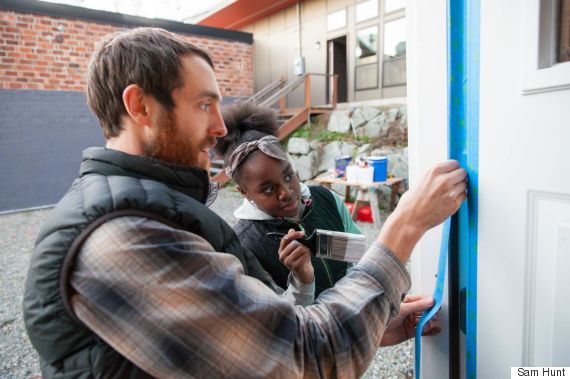
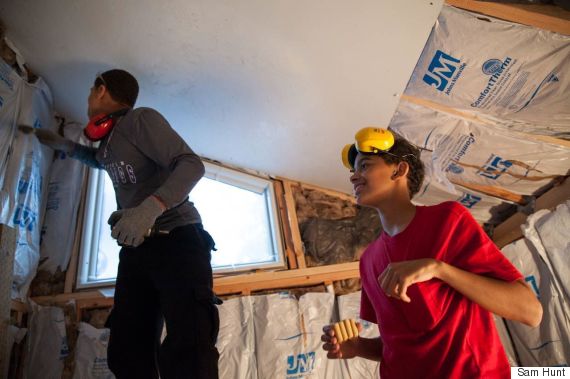
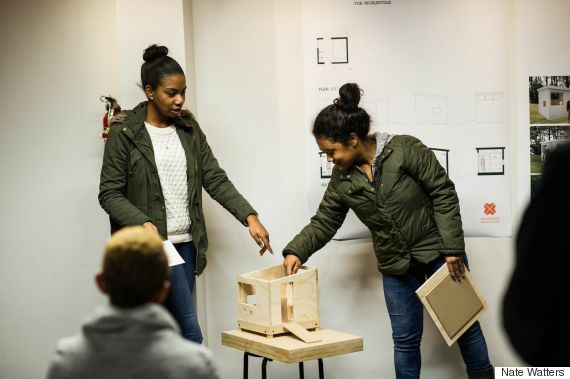
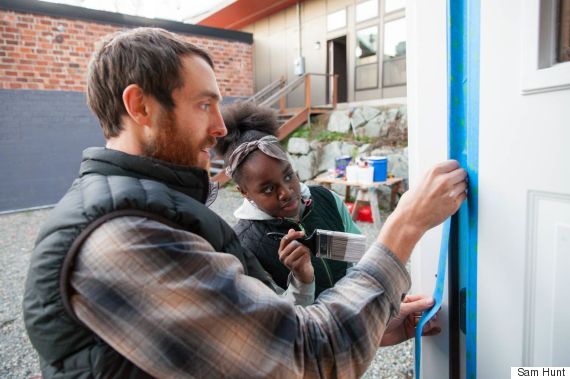
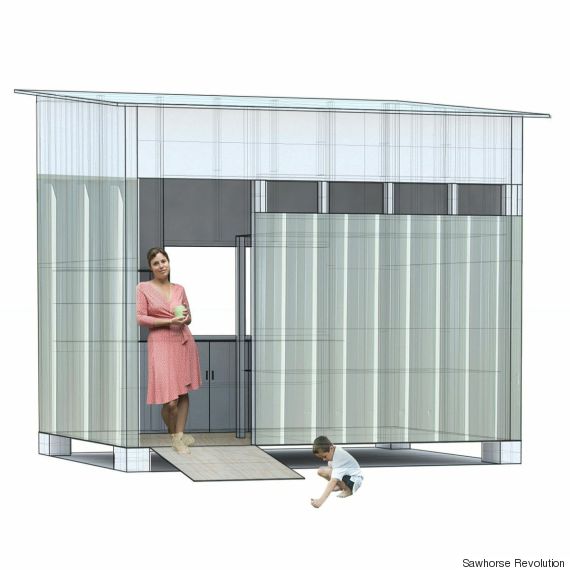
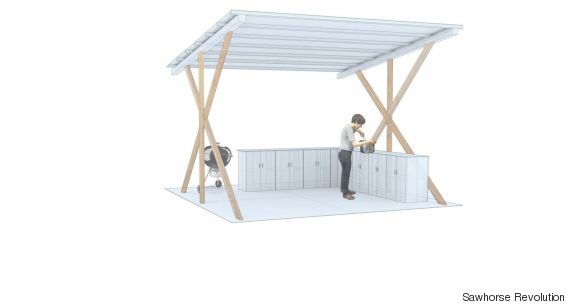
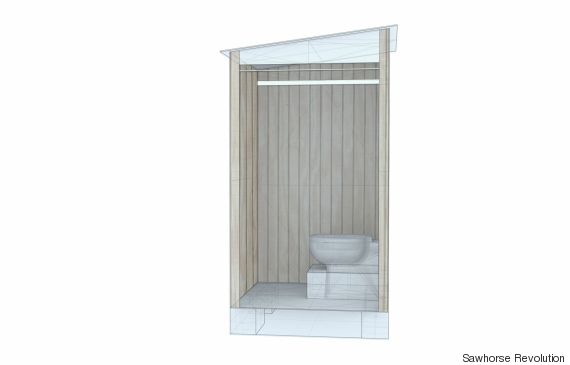
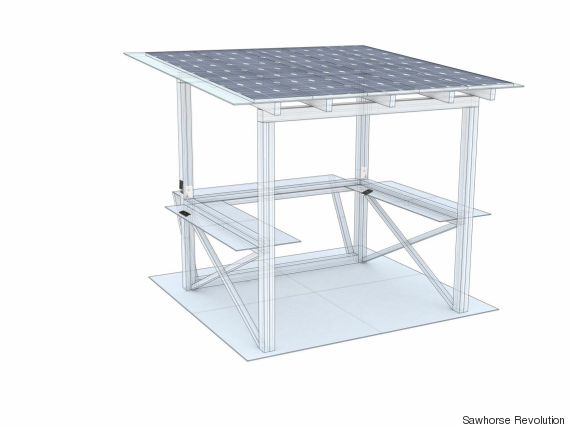
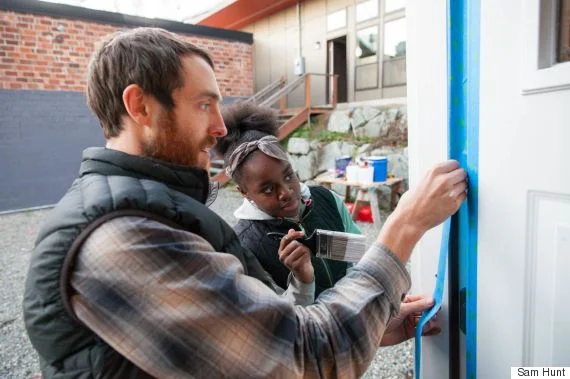
For this month's podcast, TPR Editor Tessa Hulls sat down with Sarah Smith and Micah Stanovsky of Sawhorse Revolution, a Seattle nonprofit that teaches carpentry skills to high school youth. With an emphasis on projects that serve their local communities, Sawhorse has constructed everything from tree houses to garden beds. Recently, they've been garnering national attention for their project The Impossible City, a partnership with the Nickelsville homeless community in Seattle, in which students are building micro-homes for homeless residents.
Sawhorse's mission tackles the idea of our current topic, Monument, in its most literal sense, but it also explores the ways in which students create their own legacy of empowerment and engagement by learning the value of concrete skills. In addition to their educational programs, Sawhorse Revolution produces a literary journal, FRAME. In conjunction with the release of this podcast, we published This Is Your Arm, an essay about intention, focus, and drywall screws that was first featured in FRAME. Be sure to head over to Off Paper to give it a read, and thanks for tuning in.
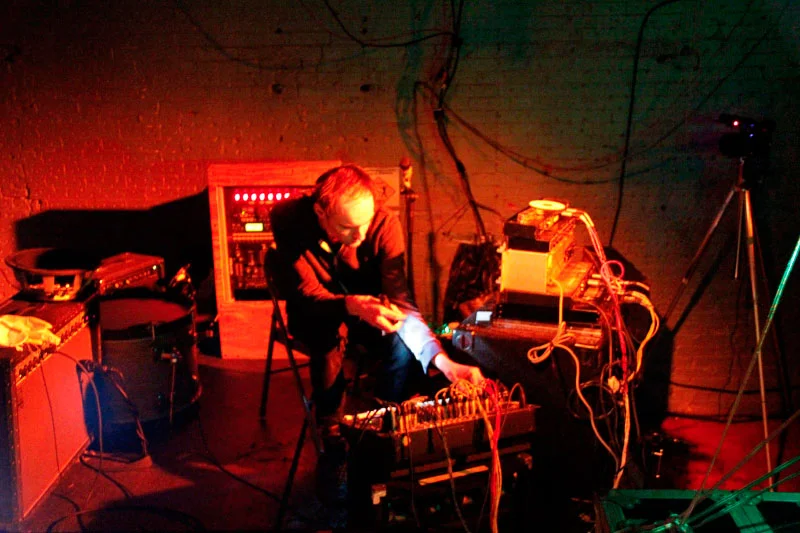
Learning Outside The Classroom: Electronic Artist Michna
Adrian Michna shares his perspective on what makes a good song, how college transformed his musical style, and advice for young musicians.
The New Art Marketplace: Digital Artist Kevin McCoy
In this interview, we visit with Kevin McCoy during the launch of his first company, an online platform for the buying and selling of digital artwork. Monegraph, as this company is called, could change everything about how we value artwork and how artists get paid for the work they make.
A Symbol of Pride: Rainbow Flag Designer Gilbert Baker
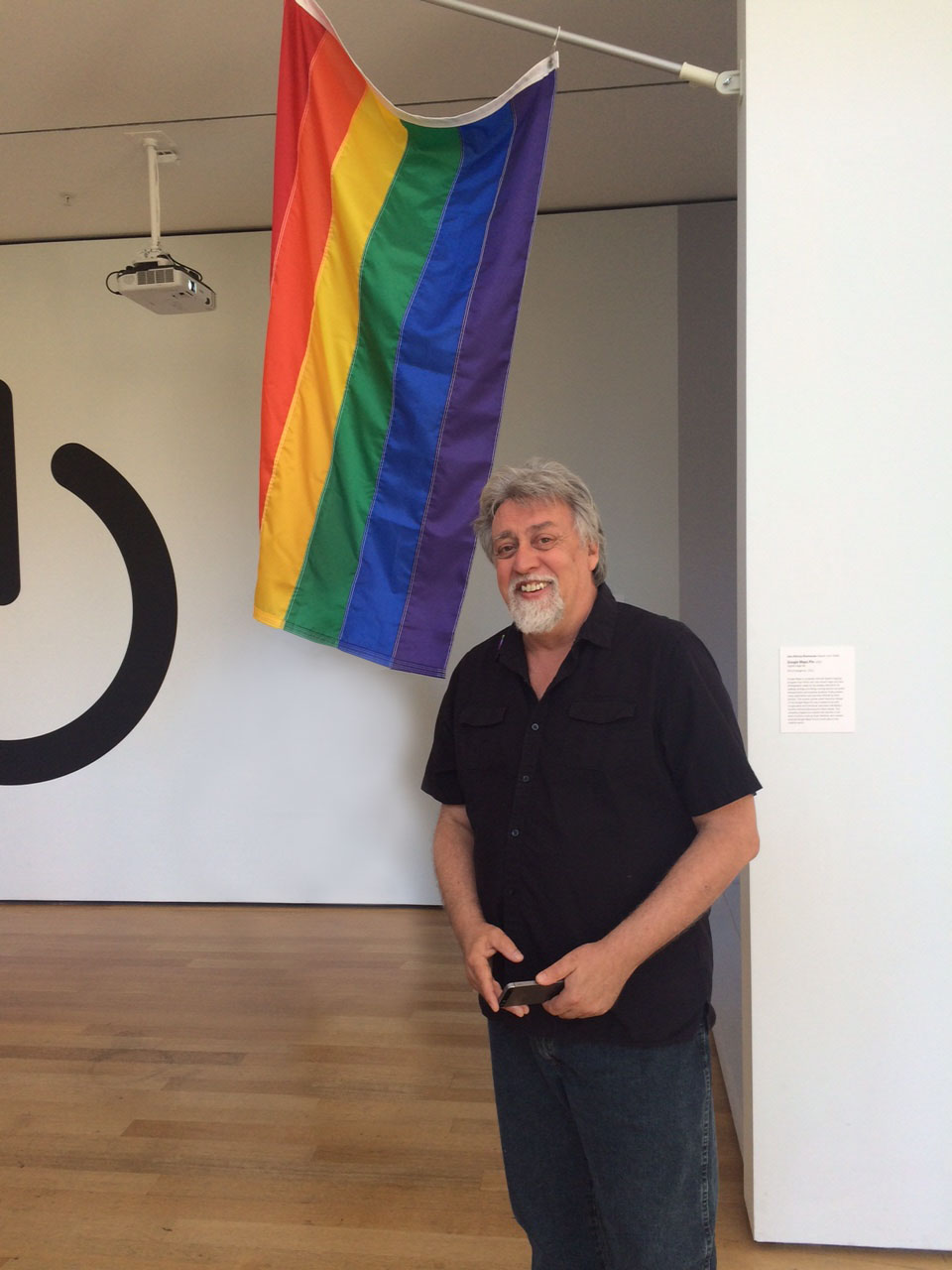
In 1978, Gilbert Baker, a drag queen and community activist in San Francisco, responded to his friend Harvey Milk's assertion that the gay rights movement needed a new symbol. In this interview, he chats with TPR Founder Jess Van Nostrand about the rainbow flag's first showing in 1978 and many of the interesting things that have happened since.
Was Here: Visual Artist Ellie Dicola
This month's podcast is a conversation with Seattle-based artist Ellie Dicola. As part of Seattle Storefronts, a program that places artist projects in vacant storefront spaces, Ellie created the installation Was Here. As a corporeal monument to places that are gone, Was Here is a documentation of local businesses and organizations that have disappeared over the last handful of years.
Building the Impossible City: Non-Profit Arts Collective Sawhorse Revolution with Sarah Smith and Micah Stanovsky
For this month's podcast, TPR Editor Tessa Hulls sat down with Sarah Smith and Micah Stanovsky of Sawhorse Revolution, a Seattle nonprofit that teaches carpentry skills to high school youth.
Talking with Underscore: Sound Artist Daniel Neumann
Sound Artist Daniel Neumann discusses scoring to a score he generously created in response to this conversation.
Getting Good: Interdisciplinary Artist Tameka Norris
Artist Tameka Norris dives into issues of intellectual property, authorship, appropriation and her relationship to art history as she discusses the vulnerabilities encountered while building a legacy in our digital era.
From Masquerades to Motherhood: Poet and Interdisciplinary Artist Natasha Marin
Seattle based poet and interdisciplinary artist Natasha Marin sat down with TPR Director Tia Kramer to discuss how Trinidadian masquerades, Canadian friendliness, and motherhood influences her work.
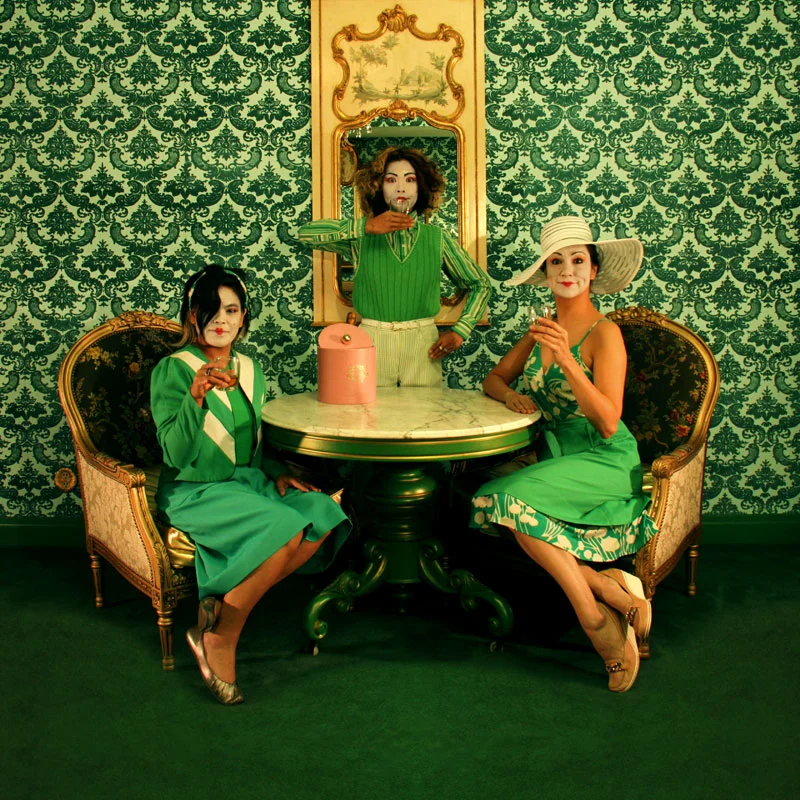
Monuments, Durian, & Portable Toilets: Artist Jenifer Wofford
Visual artist and educator Jenifer Wofford met with TPR editor, Tessa Hulls, in San Francisco to discuss the themes of monument and memory and their presence in Jenifer's diverse body of work.

Displacement: Visual Artist Veit Stratmann
Paris-based artist Veit Stratmann, who presented the work title L'Aquila at The Project Room in 2012, has made a practice of researching and writing about places of massive upheaval and its impact on the people who have lived there. After the recent terrorist attacks in Paris which took place near his home, we had a conversation about the connections between this event and his work, and what motivates him to be an artist, especially during difficult times.